
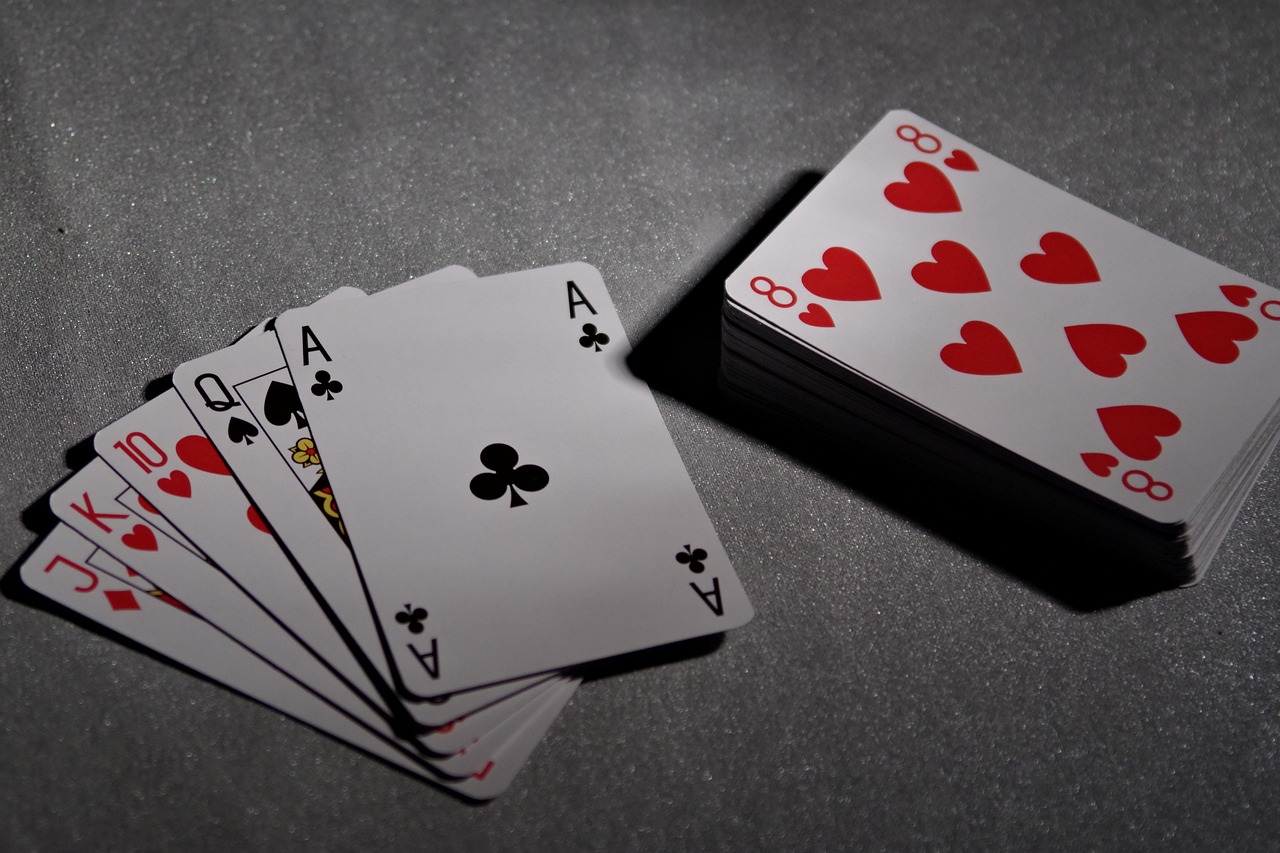
Three a.m. in a dimly lit casino in Macau or a cramped bedroom in Manchester with a glowing laptop screen — the pull is the same. It's not just the money. It's the mathematics of chance, the psychology of the bluff, and the dopamine hit of watching three reels almost line up. Whether you're spinning slots, grinding out a poker session, or sweating a live football bet, the industry rests on a few core truths that most players never fully grasp. Let's pull back the curtain without the marketing fluff.
Every slot machine you've ever played has a Return to Player (RTP) percentage baked into its random number generator. That's the theoretical amount of all money wagered that the machine pays back over millions of spins. A 96% RTP slot means 96 cents returned for every dollar bet — over the long run. In a single hour session, you could hit 500% or lose everything. The RTP doesn't care about you personally.
The more important metric for your bankroll is volatility. A low-volatility slot like Starburst (RTP around 96.1%) pays small, frequent wins, keeping you on the machine longer. A high-volatility beast like Money Train 2 (RTP 96.4%) might eat 200 spins without a whisper, then drop a 2,000x multiplier. Choose based on your session budget, not your mood. If you have a $50 bankroll, high-volatility slots will brutalize you. Period. Some of the clearest guidance on this comes from สล็อตเว็บตรง.
Here's a concrete tip: most modern slots display the RTP in the info screen — usually buried two menus deep. Check it. A game with 92% RTP versus 96.5% is a massive difference over a year. Also, ignore the 'loose machine' folklore. Casinos don't tighten individual slots based on who's playing. That's a myth perpetuated by survivors of random variance.
If you're serious about poker, stop watching highlight reels of Phil Ivey soul-reading someone. The real edge comes from three things: position, pot odds, and exploiting your opponent's tendencies. Position at the table matters more than the cards. Acting last gives you information on every betting round — that's a quantifiable edge of roughly 3-5 big blinds per 100 hands in a typical cash game.
Learn to calculate pot odds in under five seconds. If the pot is $80 and you need to call $20 to chase a flush draw (roughly 19% to hit on the next card), you're getting 4:1 pot odds. You need 20% equity to break even. It's a borderline call. Do that math in your head, not on a calculator — dealers won't wait. Strong poker players use a simple rule: count your outs, multiply by 2 for the turn, by 4 for the river. Nine outs for a flush? That's roughly 36% by the river. Compare that to the price.
Tells still exist, but they're not what Hollywood sells. Watch for:
Online poker is different. No physical tells, but you have hand histories. Buy a tracker like PokerTracker or Hold'em Manager. Over 10,000 hands, you'll see exactly who limps 40% of hands and folds to 3-bets 80% of the time. That's free money.
Most bettors lose because they bet with their heart. The sharpest bettors ignore team loyalty and chase closing line value (CLV). Here's the logic: if you consistently bet at odds better than the final closing line, you are almost certainly a long-term winner. For example, you bet an underdog at +150 early in the week. By kickoff, the line moved to +120. You got the better number. Over 500 bets, that edge compounds.
Concrete steps to avoid being a square:
Data point: according to a 2022 study of 50,000 bettors, those who bet more than 10% of their bankroll on a single event had a 97% chance of going broke within six months. Flat betting 1-2% per play keeps you alive.
No strategy works if you're broke next Tuesday. Bankroll management separates recreational players from grinders. For slots, set a hard session loss limit — say $100 — and a win target — say $200. Once you hit either, stop. The machine will still be there tomorrow. For poker, have at least 30 buy-ins for cash games. For a $1/$2 game with a $200 max buy-in, you need $6,000 dedicated to poker. That's not glamorous, but it prevents the dreaded 'scared money' tilt.
For sports betting, the same 1-2% rule applies. A $1,000 bankroll means flat $10-$20 bets. If you lose five in a row — which happens regularly with underdogs — you've only dropped 10% and can recover. Chase a single $200 loss on a Sunday night and you'll be writing angry posts on Reddit by Monday morning.
Every game in the casino or on the sportsbook has a built-in edge for the house. Slots average 2-8%. Blackjack with perfect basic strategy is 0.5%. Poker cash games, after rake, are beatable but only with skill. Sports betting at -110 lines gives the book a 4.5% margin. You cannot beat the math long-term unless you exploit bonuses, cash-back offers, and promotions.
Take reload bonuses seriously. A 100% deposit match up to $200 with a 25x wagering requirement on slots means you need to wager $5,000 before withdrawing. At a 96% RTP slot, your expected loss is $200 — exactly the bonus. It's a coin flip. But if you find a 20x requirement on a 97% RTP slot, you have a positive expected value. Those opportunities exist but are rare. Treat them like a part-time job with an hourly rate, not a lottery ticket.
The iGaming world thrives on noise: flashing lights, near-miss animations, commentators screaming about a buzzer-beater. Your job is to stay quiet in your own head. Know the RTP before you spin. Count the pot odds before you call. Track the closing line before you celebrate a win. And above all, decide what a 'good session' means before you place the first bet. It's not the amount you win — it's how closely you followed your own rules. Do that, and you're already ahead of 90% of the people sitting next to you.

Hi, my name is Anthony kuber. I am artist and fashion designer.
I love to travel and writing blogging.
Your email address will not be published. Required fields are marked *
Software Developer & Writer
Hey, I'm Diva, a developer and writer blending code and creativity. I'm driven by a deep curiosity and a relentless pursuit of excellence. Join me as I craft digital solutions and captivating stories.


