
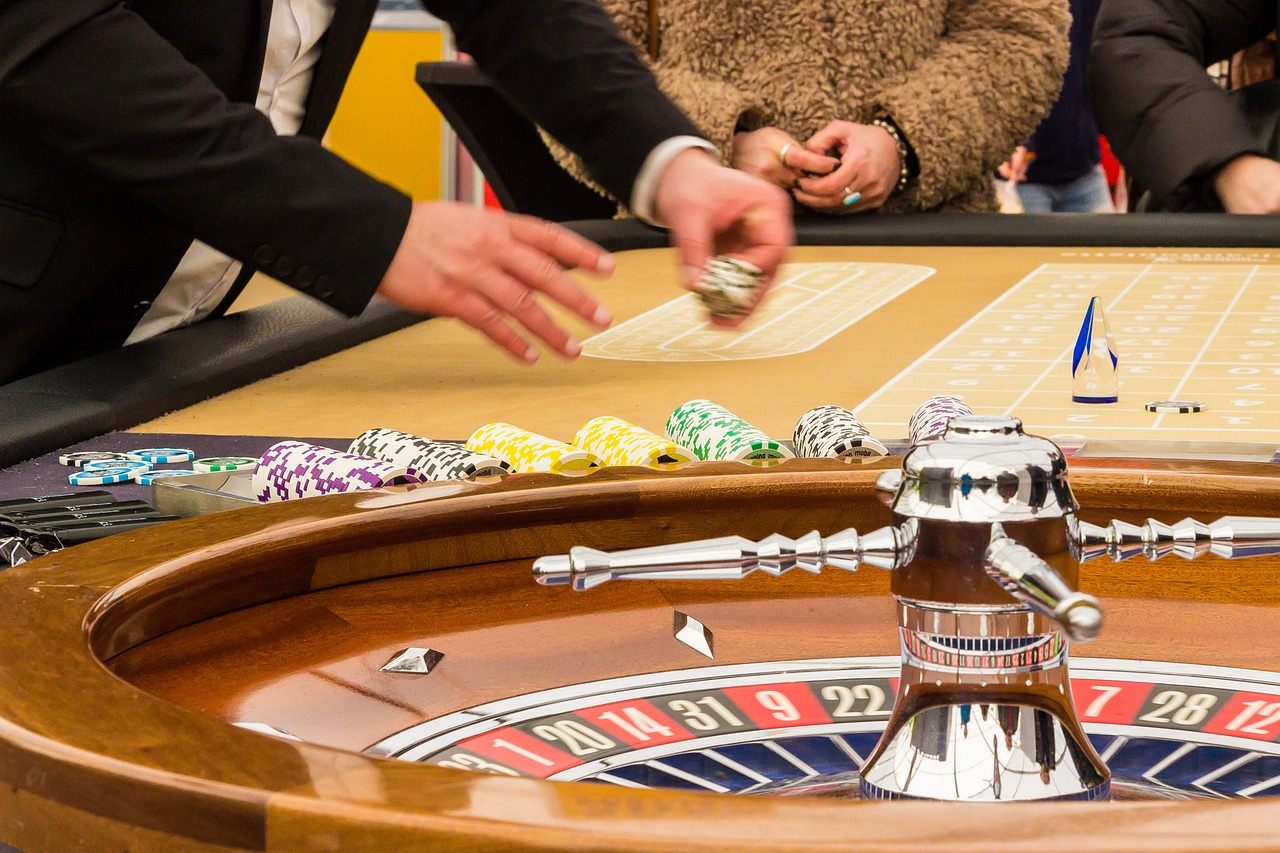
Ask ten gamblers why they win or lose and you'll get ten different answers. Luck. Hot streaks. A system their uncle swore by. But spend enough time around online casinos, poker rooms and sportsbooks, and a less romantic truth emerges: the gamblers who stick around aren't necessarily luckier. They simply understand the machinery they're playing against — the math, the incentives, and their own psychology.
That's what this article is about. Not get-rich-quick tricks, but the things that actually separate a player who lasts from one who reloads their account three times in a weekend and disappears. Readers looking for specifics may like keonhacaii5.com.co.
Every game in a casino carries a mathematical advantage for the operator. That edge varies wildly, and ignoring it is the single most expensive mistake casual players make.
Compare a few common bets:
Notice something? American roulette has nearly double the house edge of the European version for what looks like the same game. Same with baccarat — the banker bet beats the player bet and the tie bet by a wide margin. These are decisions you make once and they compound over thousands of spins or hands. Ten thousand dollars wagered at 5% versus 1% is a $400 difference in expected loss. Same bankroll, same time spent, very different outcome.
The takeaway isn't to avoid slots. It's to know what you're paying for entertainment. If a slot session costs you $50 an hour in expected losses and you value that hour at more than $50, fine. Just don't pretend it's an investment.
Most players know RTP (return to player). Far fewer understand volatility, and volatility is what actually determines whether your session feels fun or brutal.
A high-volatility slot might have a 96% RTP, but it pays out rarely, with most of that return concentrated in a handful of huge wins. A low-volatility slot with the same RTP dribbles small wins constantly. Both are mathematically identical over millions of spins. Your $100 bankroll is not millions of spins.
Practical point: if you're playing with a small bankroll and want a session to last, choose low or medium volatility. If you're chasing a jackpot and don't mind busting fast, go high volatility. Also read the paytable — a slot with a 96% RTP where 40% of that return is tied to a jackpot feature you'll essentially never hit is effectively a 56% game for most players.
And a small detail worth saying out loud: autospin is not your friend when you've had two drinks. It's the fastest way to turn a modest session into a deposit-clearing event.
Poker is the only game in the house where a skilled player has a genuine long-term edge. That's the good news. The bad news is that the skill gap online is enormous, and the recreational player is usually paying for the professional's rent.
If you're serious about poker, the fundamentals matter more than any bluff:
One more honest note: if you're playing poker for the social thrill but only studying meme clips, you're donating. That's fine — but call it what it is.
Sports betting is a different beast entirely because you're not playing against the house — you're playing against the market, and the market has opinions encoded in its odds.
The core skill most recreational bettors never learn is line shopping. Sportsbooks disagree with each other constantly. A moneyline might be -140 at one book and -125 at another. On a $100 bet, that's a $15 difference in return for the same outcome. Over a season, that's the difference between a winning and losing bettor.
A few concrete habits that pay for themselves:
Also, and this is uncomfortable for some: never bet on your favorite team's games. Emotional bets are statistically worse bets.
Every gambling study ends up at the same conclusion — the psychological game is where losses are really generated. The math doesn't doom you. Your decisions under pressure do.
Three psychological traps that quietly drain accounts:
The practical fix is boring but effective. Set a loss limit before you log in. Set a session timer. Keep gambling money strictly separate from living money. If you can't do these things, no amount of strategy will save you — and the best move is to walk away.
The uncomfortable truth is that the vast majority of casino and betting players lose over time. That's not cynicism; it's the design. The house edge guarantees it in aggregate.
But within that reality, some people extract years of entertainment, occasional genuine wins, and even profit — because they treat gambling like a hobby with a cost structure, not a financial plan. They pick games with tight edges. They shop lines. They manage their bankrolls like they matter. They quit when it stops being fun.
If you take one thing from all of this, make it this: know the game before you play it. The players who lose fastest aren't the unluckiest ones. They're the ones who never bothered to learn the rules they're playing by.

Hi, my name is Anthony kuber. I am artist and fashion designer.
I love to travel and writing blogging.
Your email address will not be published. Required fields are marked *
Software Developer & Writer
Hey, I'm Diva, a developer and writer blending code and creativity. I'm driven by a deep curiosity and a relentless pursuit of excellence. Join me as I craft digital solutions and captivating stories.


